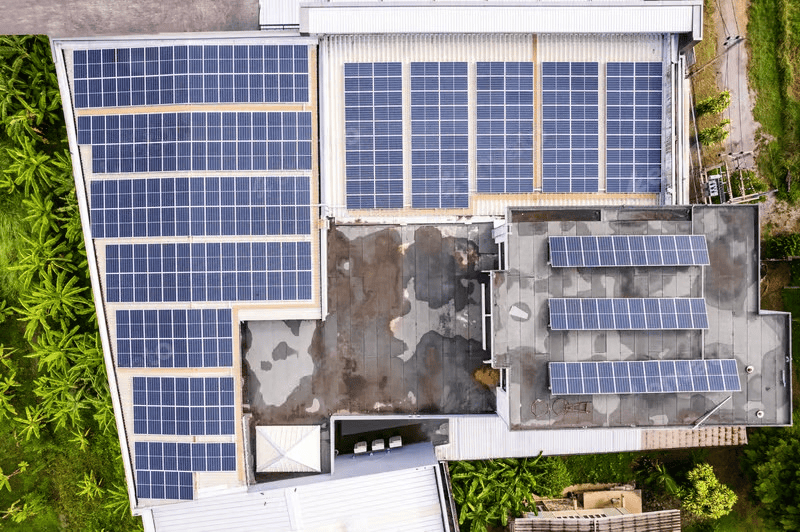
Winter weather can raise questions for solar panel owners, especially when snow, ice, and shorter days arrive. While modern solar systems are built for year-round use, a few simple maintenance steps can help keep performance steady through the colder months. A winter checklist focused on inspections, output monitoring, and inverter checks can make a meaningful difference.
SolarGroup supports homeowners and businesses nationwide with solar solutions designed to perform in all seasons. Their experience with rooftop systems, large scale projects, and long term planning helps clients stay confident even during winter.
Start With Simple Visual Inspections
A basic visual inspection is the first step in winter solar maintenance. From the ground, check that panels appear secure and free of visible damage. Look for cracked glass, loose wiring, or mounting issues that may have developed during storms.
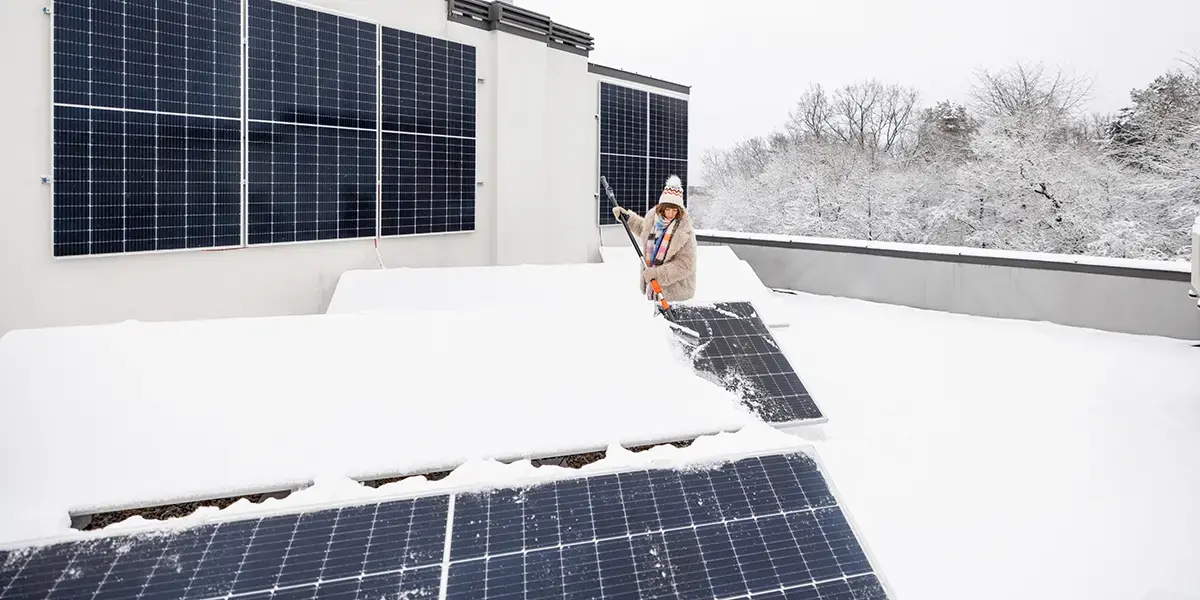
Snow buildup is usually not a concern, as panels are angled to allow snow to slide off naturally. Avoid climbing onto the roof to clear snow, since this can be unsafe and may damage the system. If snow remains after several sunny days, it is often still safe to let it melt on its own.
Homeowners using rooftop solar should also confirm that nearby trees or debris are not blocking winter sunlight.
Monitor Energy Output Regularly
Monitoring output is one of the most effective ways to understand winter performance. Most solar systems include monitoring software that tracks daily and monthly energy production. During winter, lower output is normal due to shorter daylight hours, but sudden drops may indicate an issue.
Compare current production to the same period in previous years if data is available. This helps identify trends and spot potential problems early. Consistent monitoring allows owners to confirm that the system is still offsetting part of their energy use.
SolarGroup encourages clients to use monitoring as a planning tool, especially for systems tied to broader projects like solar farms or commercial installations.
Check the Inverter and System Alerts
The inverter plays a key role in converting solar energy into usable electricity. During winter, it is important to confirm the inverter is operating normally. Most inverters display status lights or messages that indicate system health.
Check for warning lights, error messages, or alerts in the monitoring app. Cold temperatures rarely harm inverters, but moisture or power surges during storms can cause issues. If alerts appear, contacting a professional for evaluation is recommended.
Confirm Ventilation and Accessibility
If the inverter is located indoors or in a garage, make sure the area remains dry and well ventilated. Avoid blocking airflow with stored items during winter months. Proper ventilation helps prevent overheating during periods of strong winter sun.
Plan Ahead for Long Term Care
Winter is a good time to review warranty coverage and system documentation. Most panels and inverters include long term warranties that cover defects and performance issues. Understanding these details helps set clear expectations.
SolarGroup provides guidance and education through resources like the SolarGroup blog and shares system planning insights on the About SolarGroup page. Financing options are also available for all customers and can be reviewed on their financing page.
With routine inspections, regular monitoring, and basic inverter checks, solar panel owners can move through winter with confidence and consistent performance.