Winter often brings higher energy bills, especially for homes that rely on electric heat. Shorter days and colder temperatures lead many homeowners to wonder if solar panels can really help during the winter months. The answer is yes, with the right expectations and system design, solar energy can offset a portion of home heating costs even in colder weather.
At SolarGroup, the focus is on helping homeowners and businesses reach renewable energy goals year-round. Their work includes rooftop systems, large scale projects, and energy solutions designed for varying climates across the country.
How Solar Panels Perform in Cold Weather
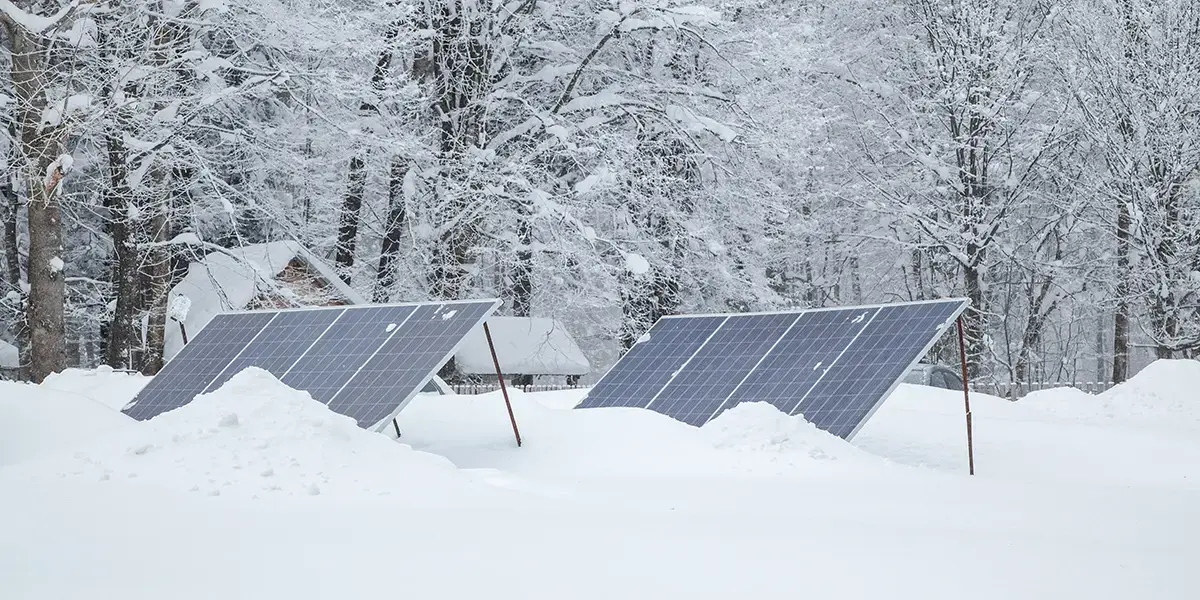
Solar panels rely on sunlight, not heat, to generate electricity. Cold temperatures actually help panels operate more efficiently. While winter days are shorter, panels often produce steady energy during clear, sunny conditions. Snow usually slides off panels quickly, allowing systems to resume normal production.
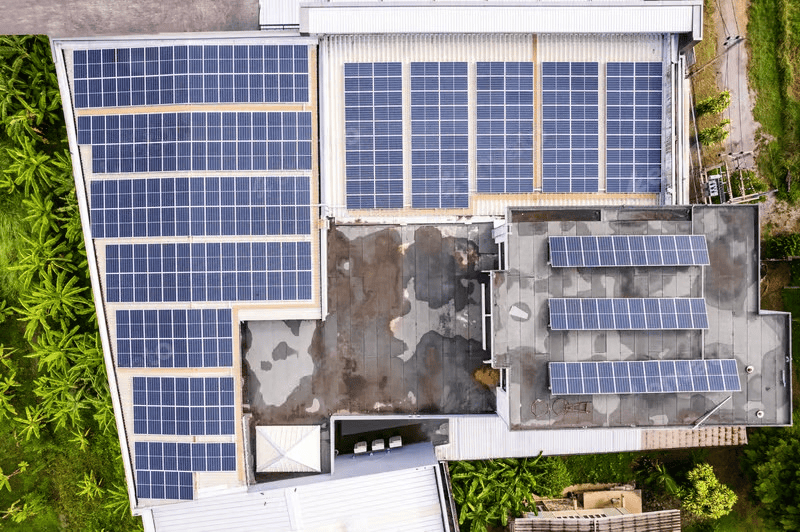
Homes with rooftop solar can still generate meaningful electricity during winter, especially in sunny regions like Arizona. Nationwide performance varies, but modern systems are designed to handle seasonal changes.
Electric Heat and Winter Energy Use
Electric furnaces and baseboard heaters can drive winter electric bills higher. Solar panels can help offset part of this increased usage by producing electricity during daylight hours. While solar may not cover all heating needs, it can reduce how much power is pulled from the grid.
For homeowners using electric heat, solar works best as a partial offset strategy. This means lowering monthly utility costs rather than trying to eliminate them completely. The result is more predictable energy spending over time.
Solar and Heat Pumps in Winter
Heat pumps are becoming more common because they are efficient and work well with solar systems. These systems move heat rather than generate it, which uses less electricity overall. When paired with solar panels, heat pumps can significantly reduce winter energy expenses.
In sunny regions, solar powered heat pumps can operate efficiently even on colder days. This combination is especially effective for homeowners focused on long term energy planning and sustainability.
Understanding Partial Offset Strategies
Most winter solar setups are designed to offset a portion of total energy use. This includes heating, lighting, and appliances. Partial offset strategies focus on reducing peak usage and lowering reliance on traditional power sources.
SolarGroup helps clients explore these options through customized system planning and guidance. Their experience with both residential and solar farms allows them to design solutions that align with real world energy needs.
Is Solar Worth It for Winter Savings?
Solar panels alone may not eliminate winter heating bills, but they can make a noticeable difference. Savings depend on system size, energy habits, and climate. Over the course of the year, winter production balances with stronger output in spring and summer.
Homeowners interested in learning more can explore resources on the SolarGroup blog or review details about financing options, which are available for all customers.