Homeowners in colder climates often wonder if solar panels can handle harsh winter conditions. Snow, ice, and freezing temperatures raise valid concerns about safety and performance. The good news is that modern solar panels are specifically engineered to withstand extreme weather, including heavy snow loads and prolonged cold.
At SolarGroup, systems are designed with durability in mind. Whether the project involves residential rooftops or large-scale installations, equipment is selected to perform reliably in a wide range of environments across the country.
Understanding Snow Load Ratings
One of the most important factors in winter durability is snow load rating. Solar panels are tested to support significant weight from snow accumulation. Most quality panels are rated to handle at least 5,400 pascals of pressure, which is equivalent to several feet of heavy snow.
These ratings ensure panels remain structurally sound even during major winter storms. Proper installation also plays a role, as mounting systems are designed to distribute weight evenly across the roof surface.
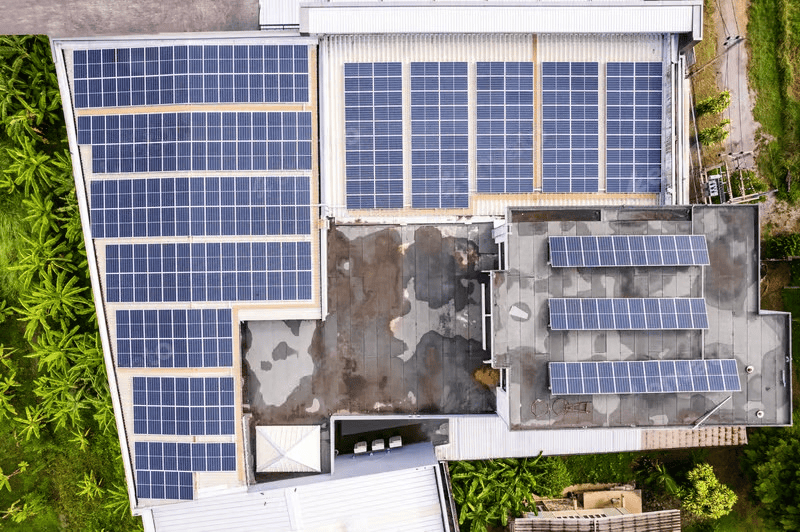
Systems installed through rooftop solar solutions account for roof pitch, panel angle, and local weather patterns to reduce stress caused by snow buildup.
Durability Standards for Cold Weather
Solar panels must meet strict durability standards before reaching the market. Manufacturers test panels for freezing temperatures, rapid temperature changes, and ice exposure. These tests simulate years of weather stress to confirm long term reliability.
Cold temperatures can actually benefit solar performance by improving electrical efficiency. While production depends on sunlight, not heat, winter conditions do not damage panels when systems are built correctly.
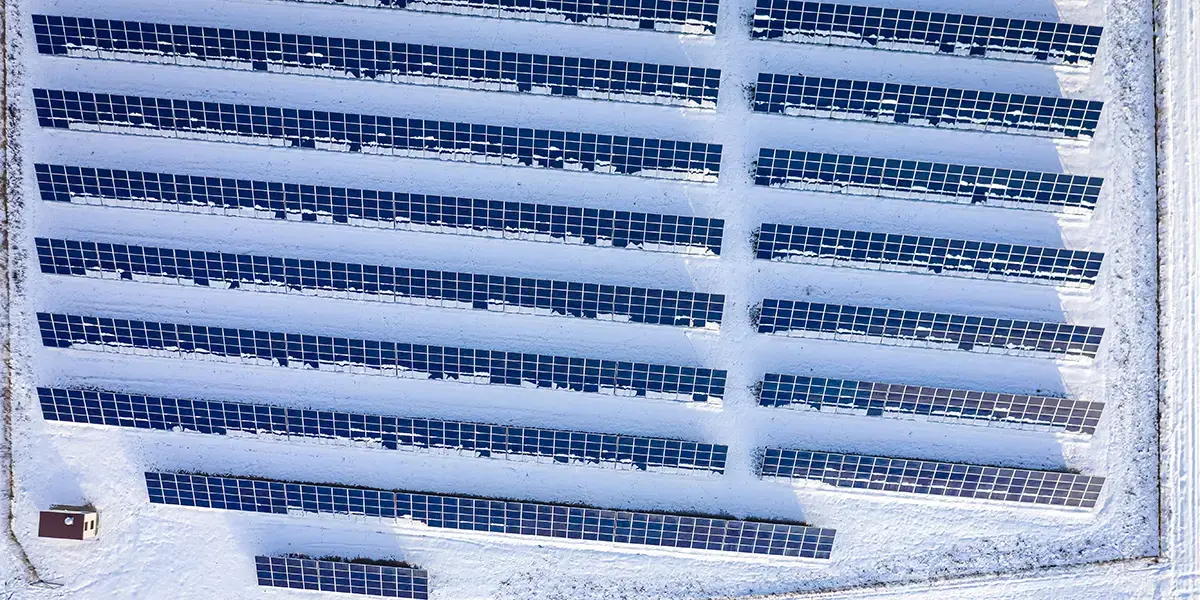
SolarGroup applies these standards across residential, commercial, and utility scale projects, including solar farms designed to operate in diverse climates.
Protection Against Ice and Freezing Conditions
Ice formation is another concern for homeowners. Solar panels are typically installed at an angle, which allows snow and ice to slide off naturally. As panels warm slightly from sunlight, melting accelerates and reduces long term buildup.
The materials used in panel construction, including tempered glass and corrosion resistant frames, are designed to resist cracking and moisture intrusion. This helps protect internal components even during freeze and thaw cycles.
Manufacturer Warranties and What They Cover
Manufacturer warranties provide added peace of mind for winter performance. Most panels include a product warranty covering defects and materials for 10 to 25 years. Performance warranties often guarantee energy output levels for 25 years or longer.
These warranties account for normal weather exposure, including snow and freezing temperatures. If panels fail due to manufacturing issues, coverage typically applies regardless of climate. SolarGroup helps clients understand warranty terms and system expectations as part of their overall planning process.
Designed for Long Term Reliability
Solar panels are not fragile systems. They are built to operate outdoors year round and endure challenging conditions. When installed properly and paired with quality components, panels can handle snow, ice, and cold without issue.
For additional education and planning resources, homeowners can visit the SolarGroup blog or review general details about financing options, which are available for all customers.